The Gambia
More than half of Gambians live in poverty, and around 8 in 10 rural households face food insecurity each year.
In one of Africa's smallest nations, the annual lean season empties household stores long before the next harvest arrives.
The Gambia's economy rests heavily on subsistence farming, fishing and tourism, all of them seasonal and all of them exposed to shocks. Between the exhaustion of one harvest and the arrival of the next, families routinely reduce meal sizes, skip meals entirely or take on debt simply to eat.
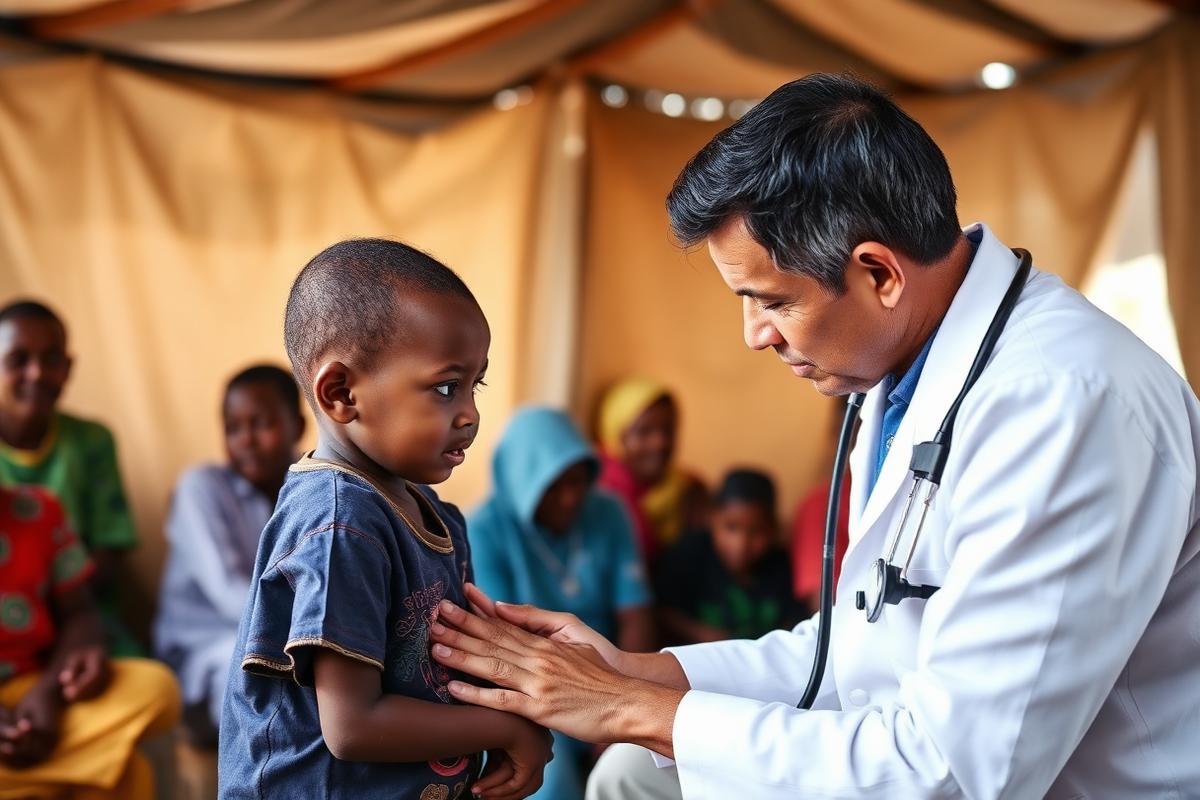
Healthcare provision is limited outside the main urban centres. Rural clinics are few, often lack essential medicines and are staffed by a small number of trained professionals serving very large catchment areas. Malaria and malnutrition continue to affect young children disproportionately.
Youth unemployment is among the country's defining challenges. With a young and growing population and few formal jobs, many young people see no viable route to a stable income at home — a pressure that drives risky migration and separates families for years at a time.
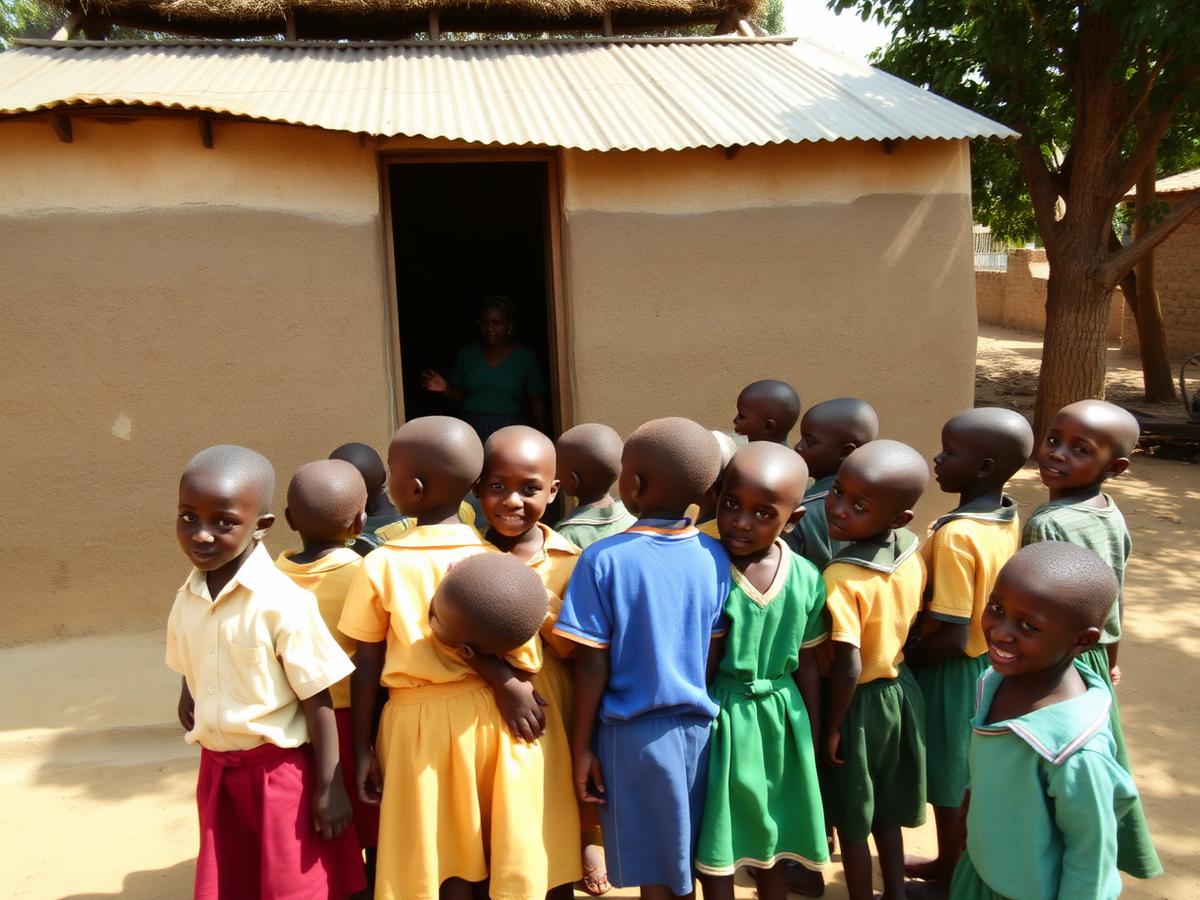
Need in The Gambia is steady rather than sudden, which is precisely why it is so easily overlooked. Without emergency headlines to draw attention, families face the same shortages year after year, and small setbacks accumulate into long-term hardship.
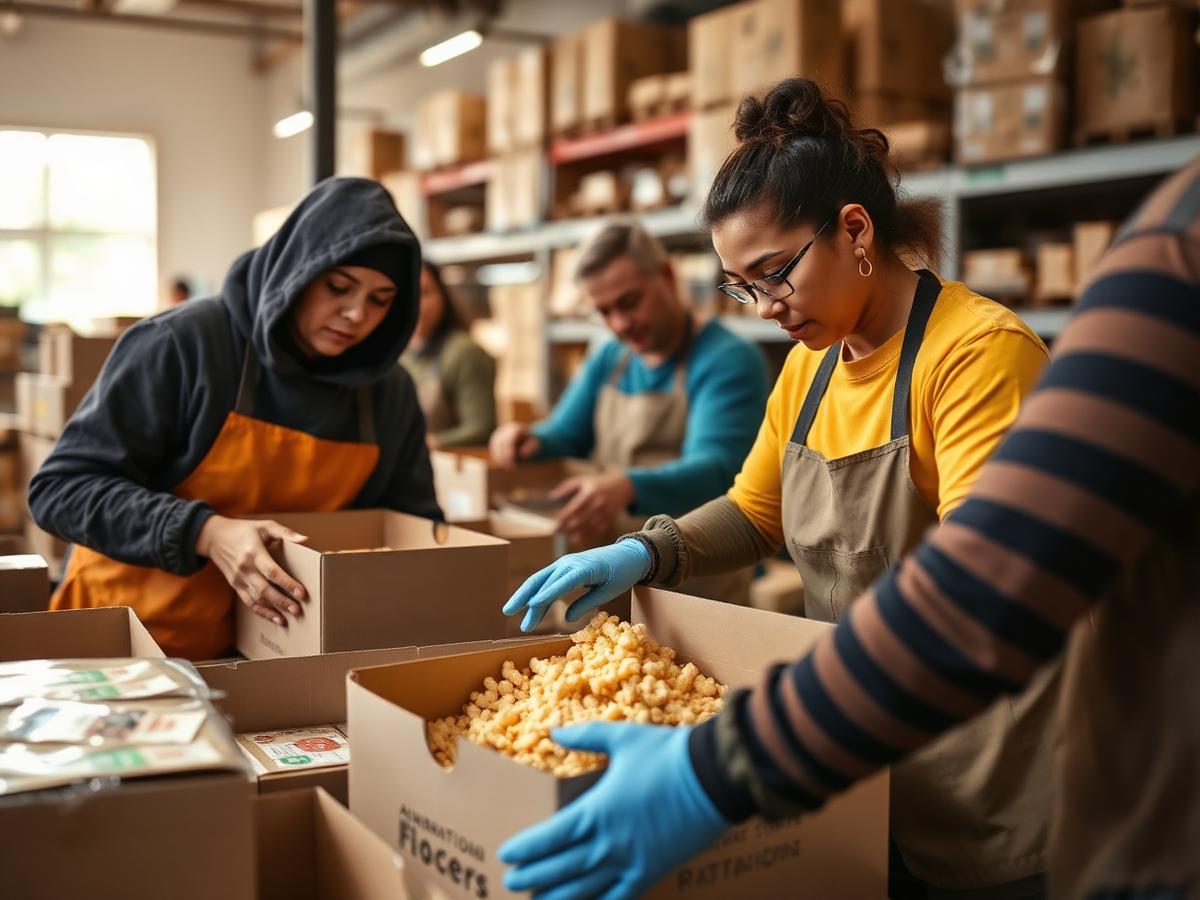
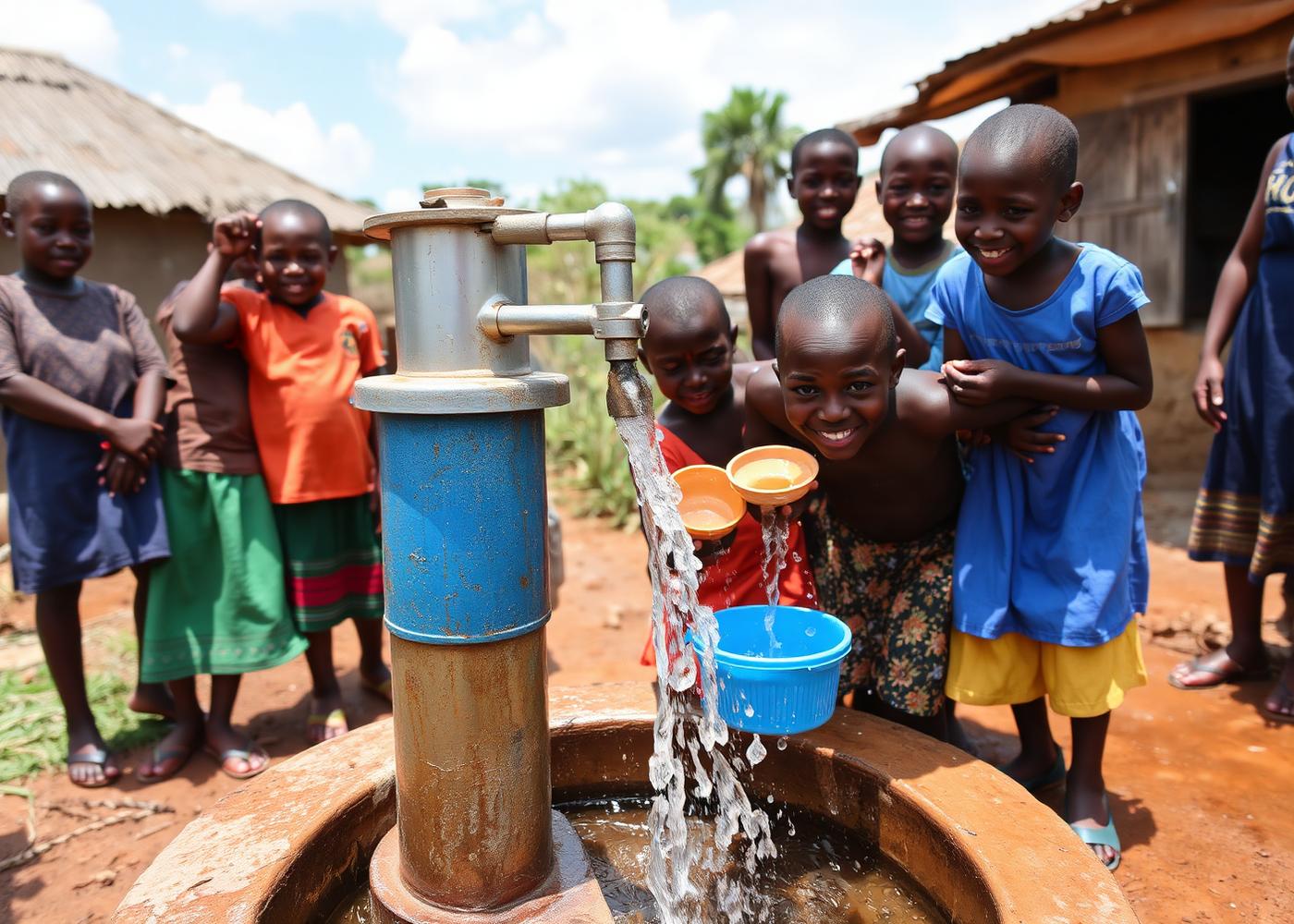
Working with local partners, our teams deliver food support, clean water, medical aid, orphan sponsorship and small livelihood grants that help young people build an income at home. Regular giving is what makes that continuity possible.
Support our work in The Gambia
Your donation funds food, clean water, healthcare and livelihoods for Gambian families.
Donate to This Country