Uganda
Around 20 million Ugandans — roughly 42% of the population — live on less than $2.15 a day.
In rural districts, poverty is not an occasional hardship but the everyday condition of entire communities.
More than three quarters of Ugandans live in rural areas where incomes depend on smallholder farming. Harvests are vulnerable to drought, pests and unpredictable rainfall, and households with no savings feel every failed season immediately in what they can put on the table.
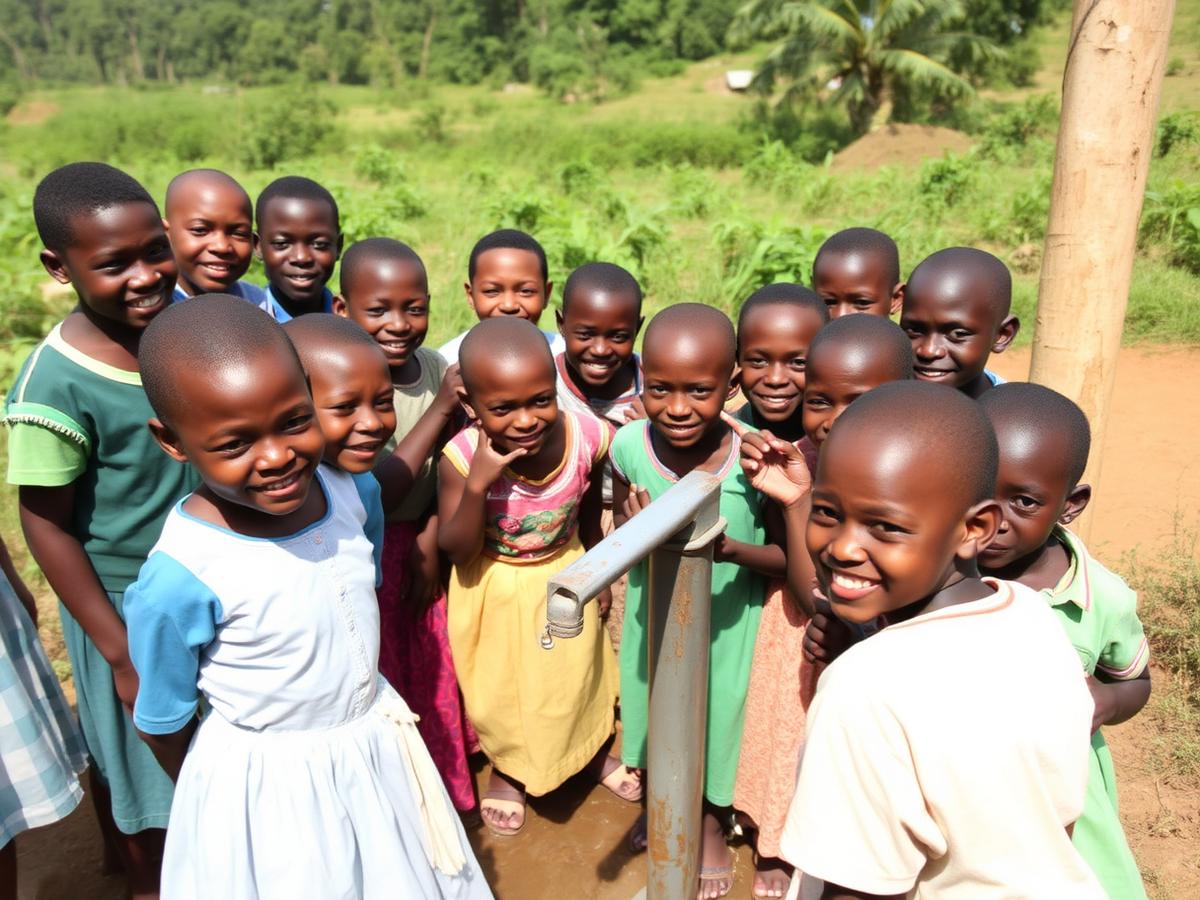
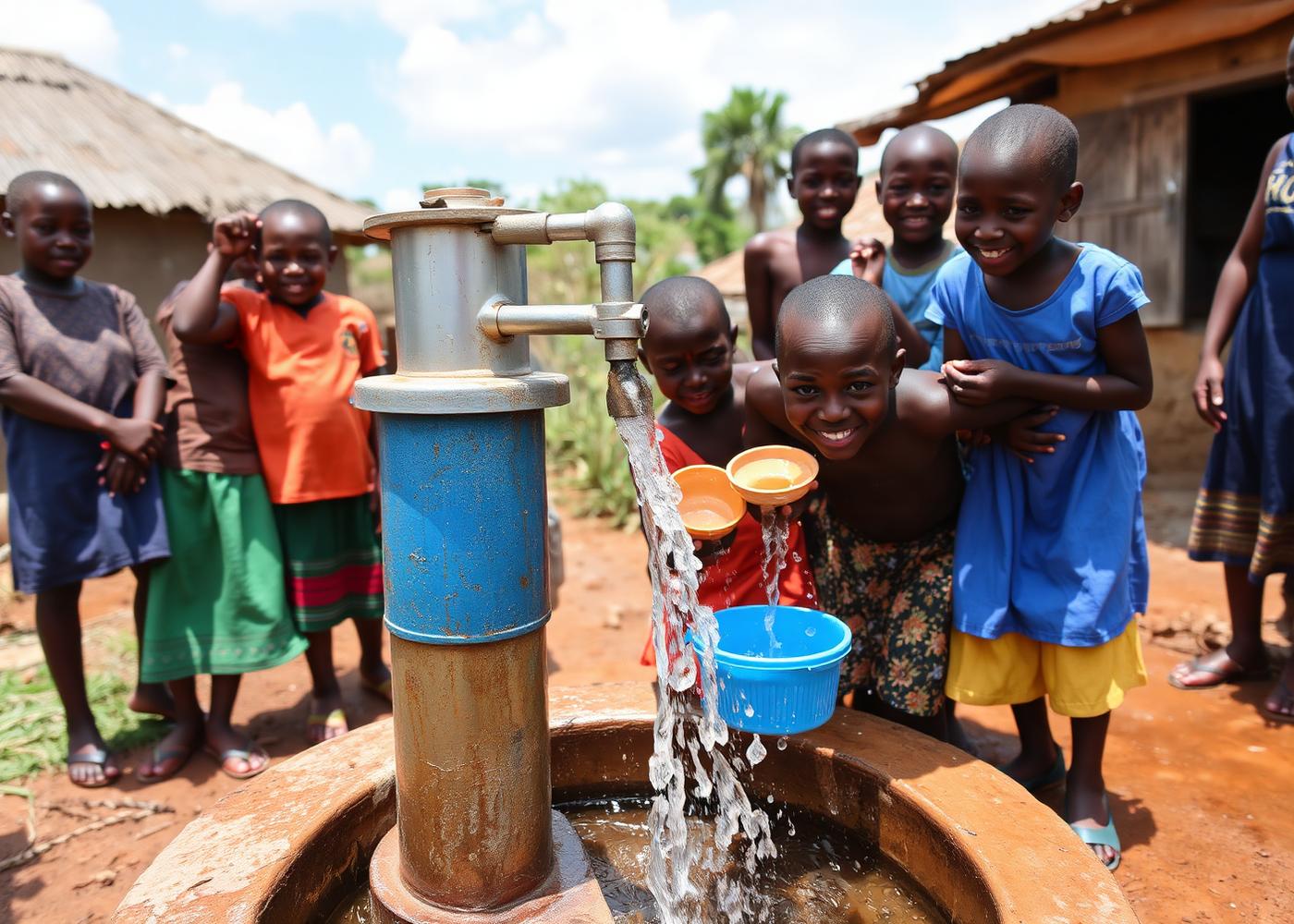
Clean water remains one of the country's most pressing challenges. Millions collect water from open ponds, swamps and unprotected springs, and waterborne illness is a leading cause of childhood sickness. The task of fetching water usually falls to women and girls, costing hours each day that could be spent in school or earning an income.
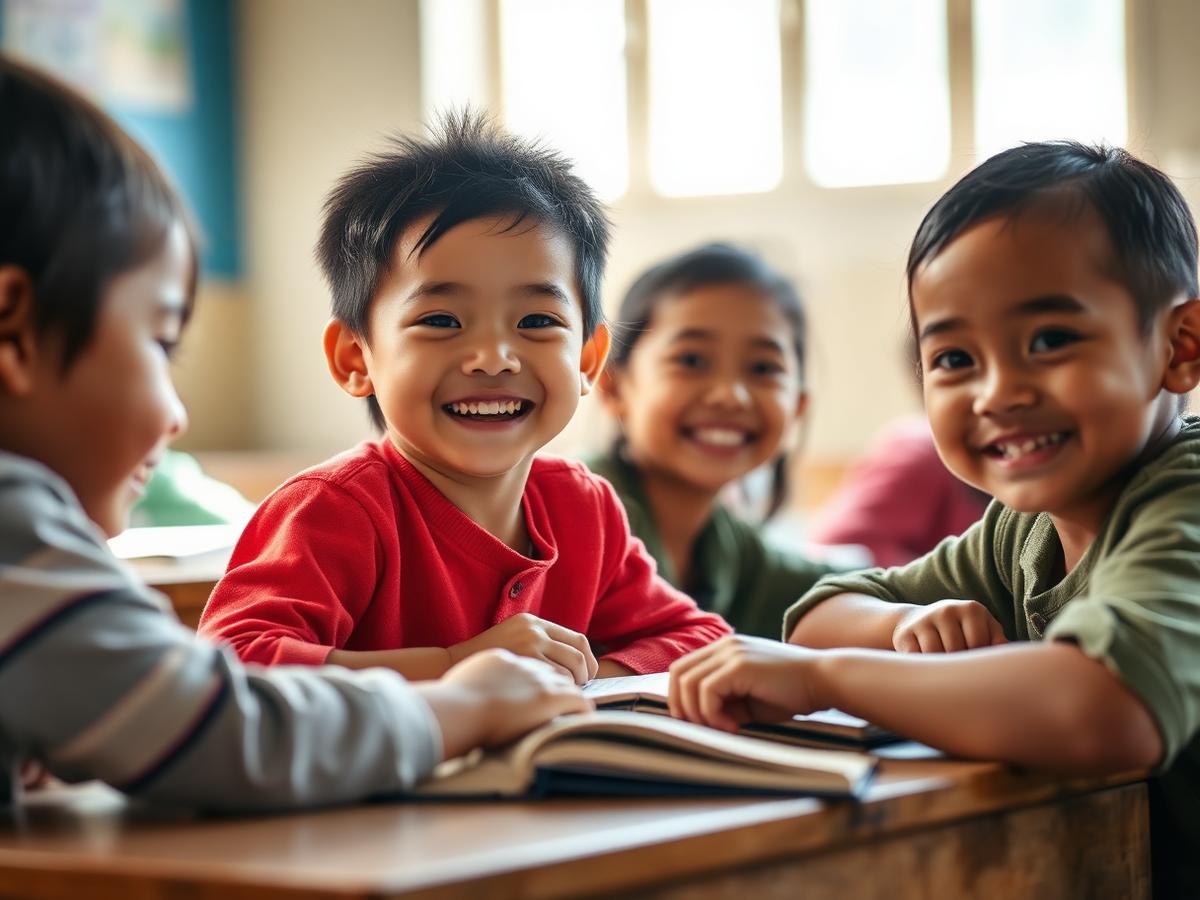
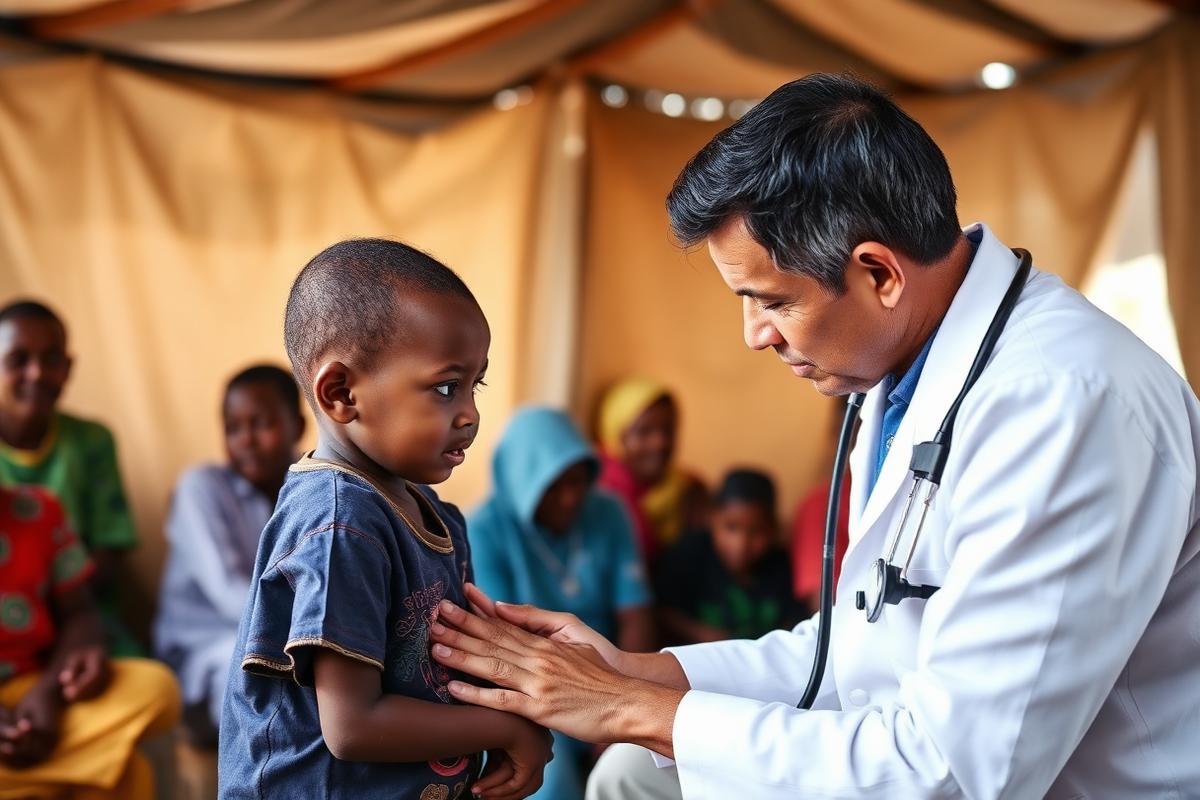
Uganda also hosts one of the largest refugee populations in Africa, placing further strain on already stretched clinics, classrooms and water points. Many schools operate with too few teachers and no learning materials, and secondary education stays out of reach for children whose families cannot cover fees or uniforms.
Progress in Uganda is real but fragile. A single drought, a rise in food prices or an outbreak of illness can push a recovering household straight back into crisis, and communities hosting displaced families absorb pressures they were never resourced to meet.
Our teams work with Ugandan partners year-round on clean water, healthcare, orphan care, education and livelihood projects. Consistent support is what keeps those wells maintained, those classrooms open and those families moving forward.
Support our work in Uganda
Your donation funds clean water, schooling, healthcare and livelihoods for rural families.
Donate to This Country